A non-surgical, correction-focused approach to scoliosis for kids, teens, and adults, built on established scoliosis care guidelines.
Scoliosis causes both physical pain and emotional suffering. This sideways bending of the spine shows up as abnormal posture and then, finally, as deformity. If allowed to advance, it can interfere with the lungs, the heart, and many other vital organs.
It is also not a problem that holds still. A curve that goes unmeasured tends to keep moving, which is why the timing of an exam matters as much as the care that follows it.
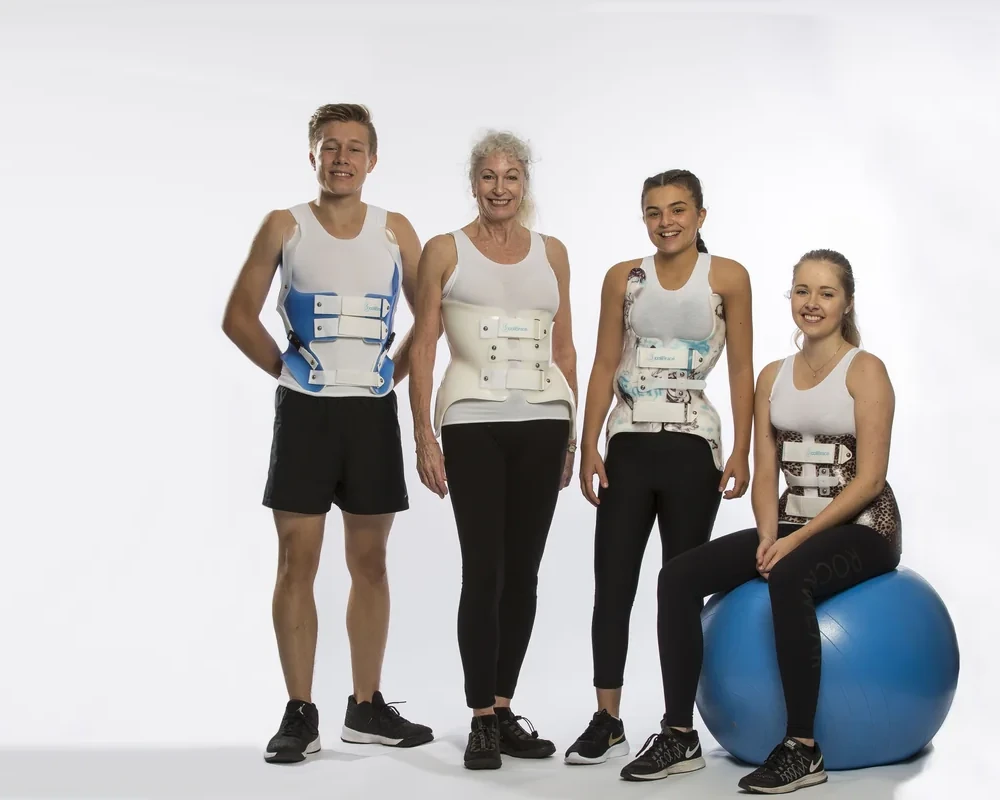
Care at the Spine & Scoliosis Clinic has helped many people avoid the unhappy effects of scoliosis progression and pain. The procedure is simple. First, a thorough examination helps detect scoliosis in its early stage, for kids and adults. Then corrective action can begin at once. The course of care is individualized, and can consist of the following but is not limited to bracing, scoliosis specific exercises, and Chiropractic BioPhysics care.
The best time for a scoliosis or spine exam is now. As with many health problems, early detection can improve the likelihood of correction and of better outcomes.
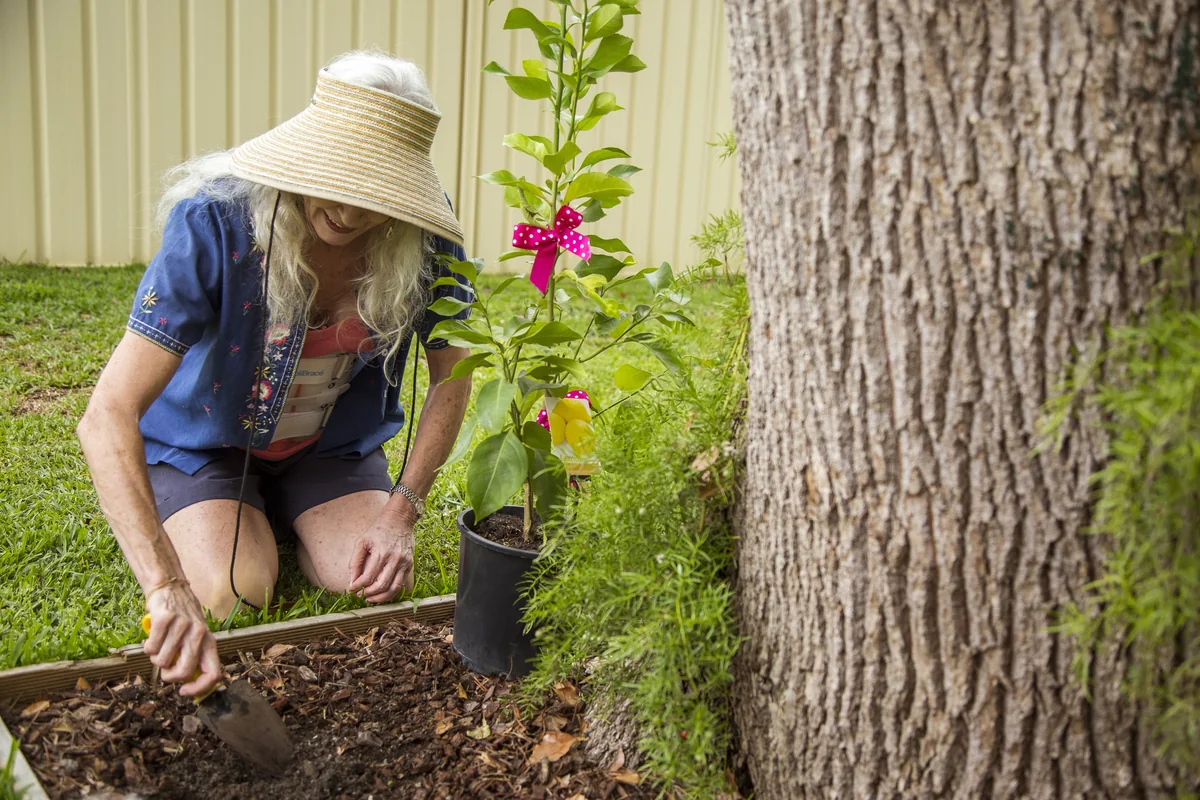
Modern braces are made to be worn under everyday clothing, and they are printed to suit the person wearing them.
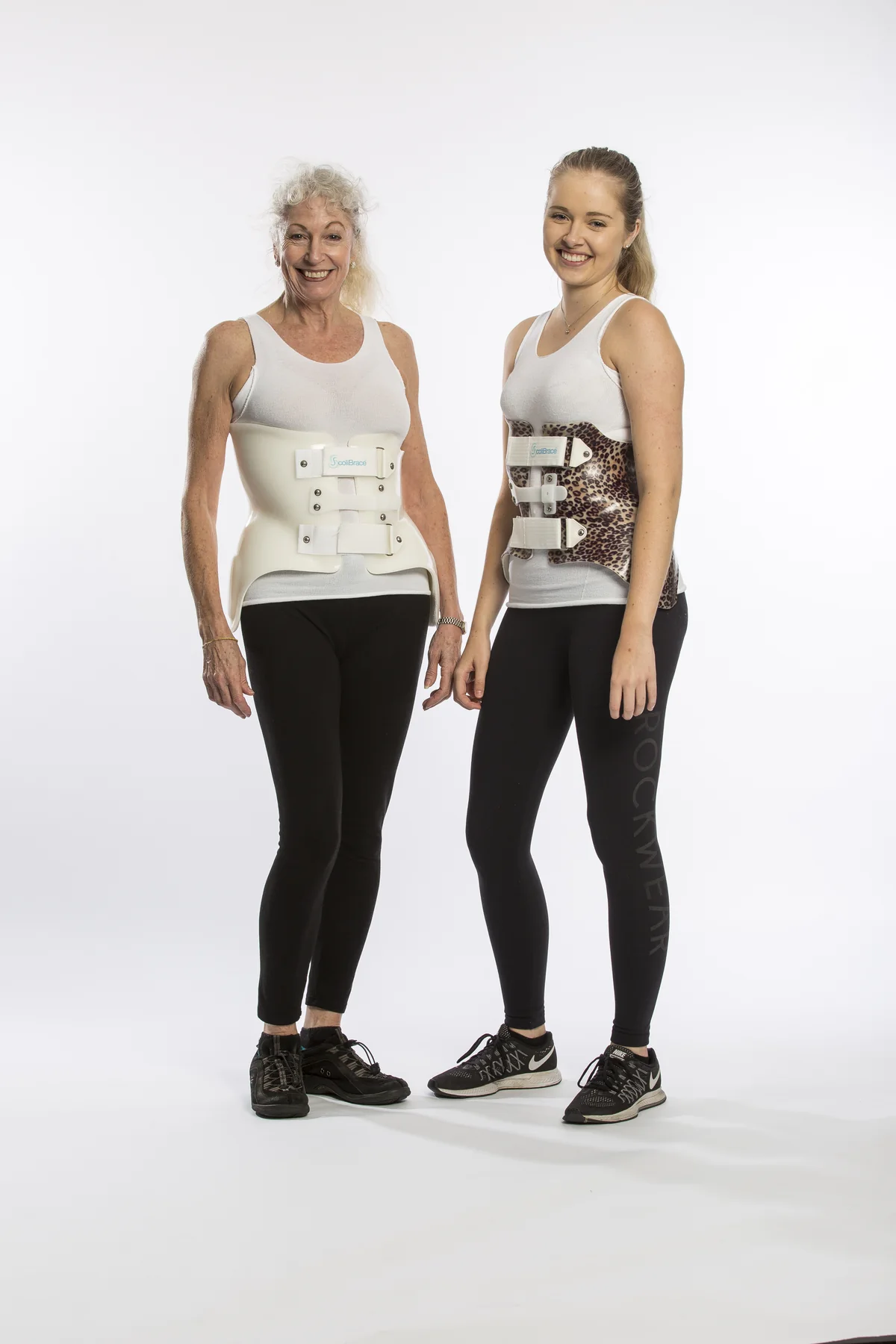
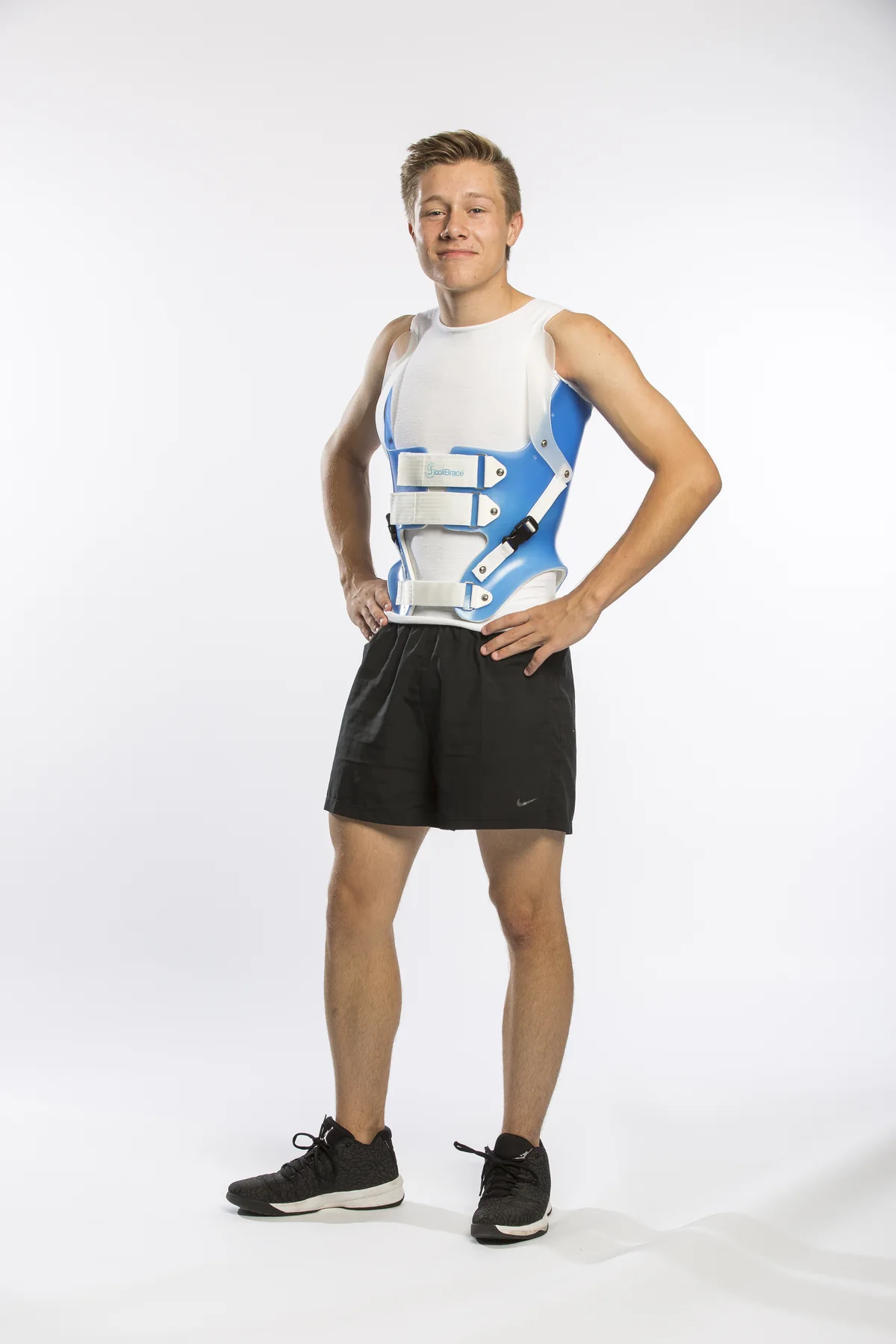
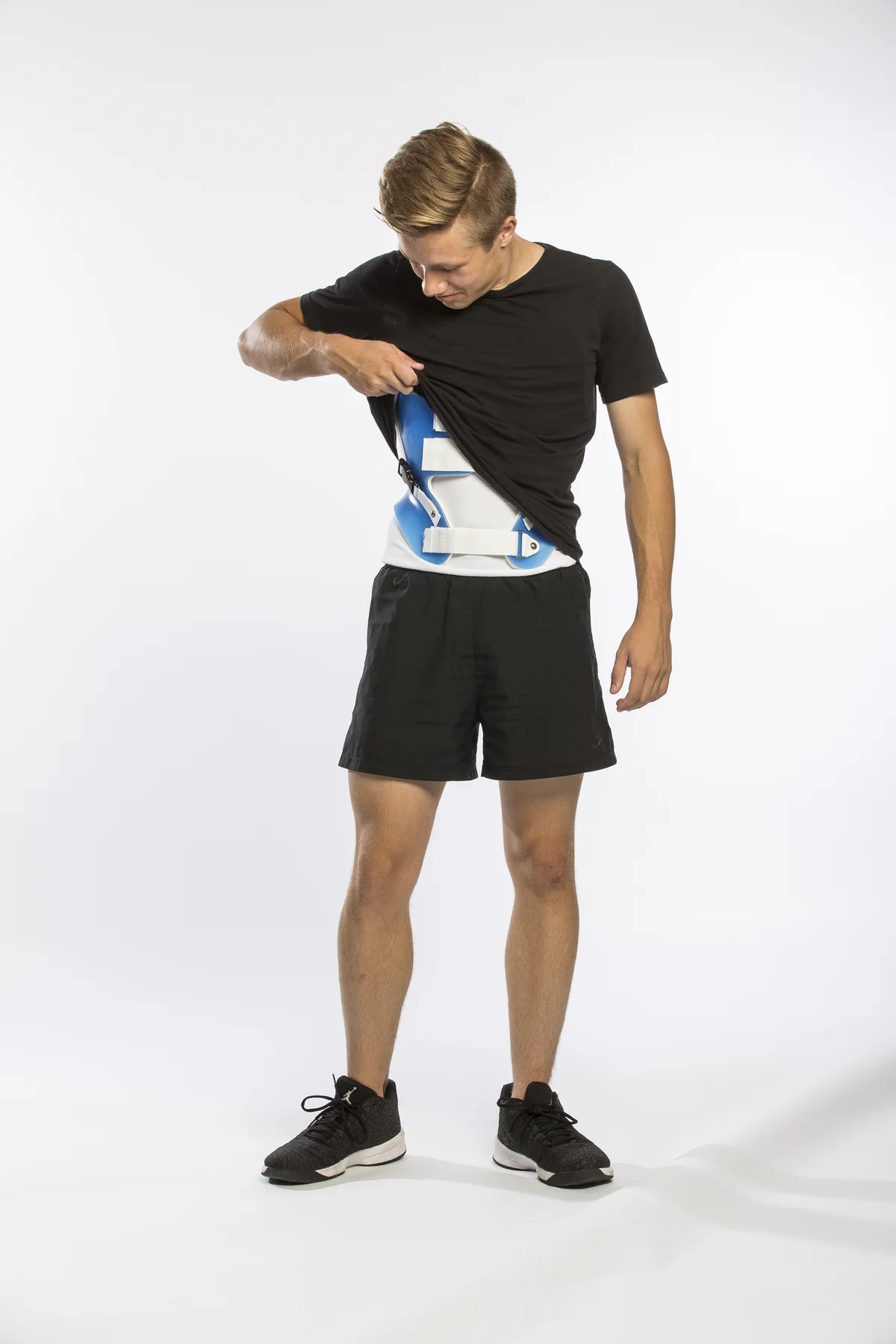
Two short guides from ScoliCare, covering what a curve means and what can be done about it.
When to screen, what the early signs look like, and why catching a curve early changes the outcome.
Download the PDF →
Scoliosis does not only affect teenagers. What adult scoliosis care is aimed at, and how it is assessed.
Download the PDF →
The SRS-22r is the standard scoliosis questionnaire. It takes a few minutes and gives us a clear starting point before your visit.
Scoliosis describes a lateral curve of the spine, including some vertebral rotation. Although most curves are small, some can be progressive and lead to spinal and postural deformities, and sometimes pain in later life.
There are genetic risk factors for scoliosis, but there is no confirmed cause of scoliosis development. Poor posture, carrying backpacks, and choice of mattress have not been shown to cause or influence scoliosis.
Scoliosis often develops rapidly in pre-adolescence or adolescence. The condition is usually painless, so there may be no symptoms to indicate a developing scoliosis. Pre-teens and teens also often favor loose clothing, which can conceal the visual signs.
Girls should be first checked around 10 to 12 years old. Boys should be first checked around 11 to 13 years old. Earlier detection and intervention has been shown to lead to better long term outcomes for the patient.
Ideally a scoliometer should be used to measure the Angle of Trunk Rotation (ATR). A trained health professional can administer a scoliosis screening, looking for clinical indications of scoliosis in the patient's posture. If signs are detected, further investigation including X-ray imaging may be recommended to confirm the findings.
There is no known way to prevent a scoliosis from developing. The best known ways to prevent a scoliosis from worsening are early detection and prompt treatment.
Complementary treatment can play an important role in addressing the ongoing health needs of a patient with scoliosis, though there are limitations. These approaches may give pain relief, improve movement, and help general posture and strength. They should be encouraged where they help an individual patient deal with specific pain, posture, or mobility issues.
General exercise such as swimming or yoga does not prevent, correct, or stop the progression of scoliosis on its own. However, there are specialized exercise and rehabilitation programs designed specifically to address the scoliosis curve, and these have been shown to be very effective in certain cases. When specialized scoliosis rehabilitation and exercise programs are used alongside bracing, they improve the results of hard bracing. Learn more about the role of exercise and rehabilitation in scoliosis treatment: What is SEAS?
No. However, it is important to have children checked regularly if a parent or family member has scoliosis.
Request an evaluation and let's build a plan to help you feel better.